What to check before choosing a lighter nicotine pouch
Choosing a lighter nicotine pouch is less about finding the smallest number on a tin and more about matching strength, format and flavour to what an adult already knows about their own tolerance. Nicotine pouches differ in nicotine content, pouch size, moisture and how quickly nicotine release feels. A product that seems mild to one person may feel firm to another, so the practical task is to read the details calmly and avoid guessing from packaging alone.
The term lighter can mean two things. It may refer to a lower milligram rating, or it may refer to a product with a lower strength rating within a familiar range. Both matter. Strength is usually shown as milligrams per pouch or as a numbered scale, and the same scale may not mean the same thing across brands. Treat each product on its own terms, especially when moving between brands or formats.
Check the stated nicotine content first
Start with the nicotine content printed on the tin or product listing. If it is shown in milligrams, note whether that figure refers to one pouch or the whole pack. This distinction changes how the number should be read. A lower milligram figure per pouch usually points to a lighter option, but it does not tell the whole story, because nicotine release can vary with the pouch material and how the contents are made.
Where a strength rating is used instead, look for a clear explanation of that brand's scale. Some ranges use numbers, dots or words such as mild, medium or strong. Those labels are useful for comparing products within the same range, yet they are less reliable across unrelated brands. A middle rating from one maker may not match a middle rating from another.
Look at pouch size and format
A lighter pouch is not always a smaller pouch, and a smaller pouch is not always lighter in nicotine terms. Pouch size affects comfort, discreetness and how noticeable the product feels under the lip. A slim pouch may suit someone who wants a low profile, while a mini pouch may feel less intrusive. The trade-off is that smaller formats can feel more concentrated to some users, even when the nicotine content is modest.

Check the format name before buying, especially if comfort under the lip is a priority. If a product is described as slim, mini or regular, compare that with the count and strength details rather than relying on the picture alone. Product images can make formats look similar, while the dimensions and feel may be quite different in use.
Compare flavour without losing sight of strength
Flavour often draws attention first, but it should not be the only reason for choosing a lighter option. Mint, fruit and tobacco styles can feel sharper or smoother, and that sensation may be mistaken for strength. A cool mint may seem stronger than a mellow fruit flavour even when the nicotine content is the same. Read the strength information separately from the flavour description.
It also helps to separate sweetness from nicotine strength. A sweet flavour can make a product seem gentler, while a dry or tingling flavour can make it seem stronger. Neither sensation is a dependable measure of milligrams. For a clearer comparison, keep the flavour type consistent while checking different strength options, or keep the strength consistent while exploring flavours.
Use tolerance as a practical reference point
Tolerance is one of the main reasons two adults can experience the same pouch differently. Someone who regularly uses nicotine products may need more to notice an effect, while someone with little or no recent nicotine use may find even a lower strength uncomfortable. A lighter choice is usually more sensible when unsure, because it leaves room to judge the effect without starting too high.
Be cautious with the idea of moving up later. If a product feels too weak, that does not mean the next strength should be chosen straight away. Nicotine release is not instant and may continue for a while after placement. Giving the product enough time before reaching for another is a more measured approach, and it avoids stacking strengths in a short period.
For adults comparing ranges, Nic Pouch UK is a UK online retailer offering nicotine pouches from more than 30 brands, organised by strength and flavour for adults aged 18 and over. That kind of structure can make it easier to keep strength and flavour separate, instead of treating a product as suitable based on flavour alone.
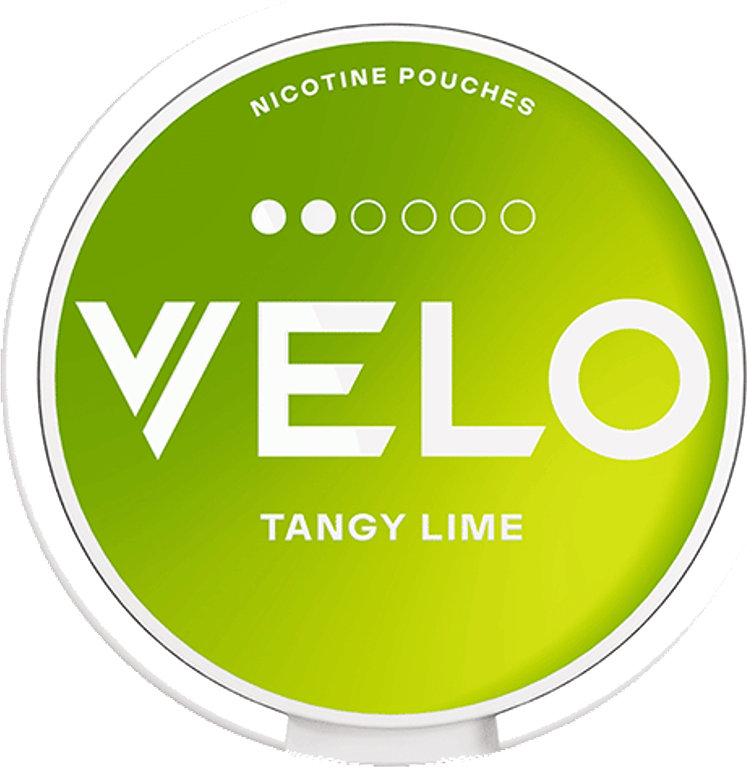
What to check before placing an order
- nicotine content, including whether the figure is per pouch or per pack, so the number is read in the right context.
- strength rating, noting the brand's scale and whether it can be compared with products already known.
- pouch size and format, especially if a slim pouch or mini pouch is preferred for comfort.
- flavour description, keeping taste separate from the sensation of nicotine release.
- age and suitability, since nicotine pouches are intended for adults aged 18 and over.
The point of checking these details is not to find a perfect product on paper. It is to narrow the field before trying something new. A lighter nicotine pouch should feel like a deliberate choice, not a guess based on a flavour name or a familiar tin design. Clear product information makes that decision easier.
Reading strength labels with care
Strength labels can be compact and easy to misread. A tin may show a number without much explanation, or a product listing may place the strength beside the flavour in a way that makes both look like part of the same claim. Slow down at that point. Find the nicotine content in milligrams if it is shown, then compare it with the strength rating. If the two seem hard to reconcile, the product may be using a brand specific scale.
Another useful check is the stated count. A tin with more pouches may look like better value or a heavier product at a glance, yet the strength of each pouch is what shapes the experience. Count affects how long a pack lasts, not how strong one pouch is. Keeping those two ideas apart prevents a common mistake when comparing products from different brands.
Nic Pouch UK fits the broader subject here as a place where nicotine pouches are organised by strength and flavour, which reflects the two details that matter most when comparing lighter options. The practical benefit is simple: a reader can focus on strength first, then use flavour as a second filter rather than letting taste decide everything.
Signs a pouch may be too strong
Even a product chosen with care may feel stronger than expected. Common signs include a burning sensation that feels harsh, lightheadedness, nausea, hiccups or a tight feeling in the throat. These are reasons to stop using the product and reassess the strength rather than push through. Nicotine is not a product to experiment with carelessly, and discomfort is a useful signal.
If a lighter pouch still feels too strong, the next step is not necessarily to switch flavour. Check the nicotine content again, compare the strength rating and consider whether the format itself feels intense. A smaller pouch can sometimes feel more direct, so pouch size may be part of the answer. When in doubt, step back rather than trying a stronger product in the same session.

Making a calmer comparison
A good comparison keeps the variables tidy. Choose one category to change at a time, such as strength, then hold the flavour and format steady. Once a comfortable strength is clear, flavour can be explored without changing the nicotine level. If comfort under the lip matters, compare pouch size next. This approach takes longer than picking the first appealing tin, but it makes the result far easier to understand.
It also helps to keep notes in plain terms. Record the strength rating, nicotine content, pouch size and flavour, then write down whether the experience felt mild, firm or uncomfortable. Avoid vague labels such as good or bad, because they do not explain why a product worked. Over time, those notes become more useful than any single recommendation, since tolerance and preferences can change.
Ultimately, selecting a lighter nicotine pouch comes down to careful reading and modest expectations. Check the nicotine content, understand the strength rating, notice the pouch size and keep flavour in its place. For adults aged 18 and over, that steady approach makes nicotine pouches by strength easier to compare without turning the choice into a guessing game.